How IT Work?
The CE16600H01 Rev No 1.3 is a technical component, device, or module (depending on its specific use) designed for advanced applications.
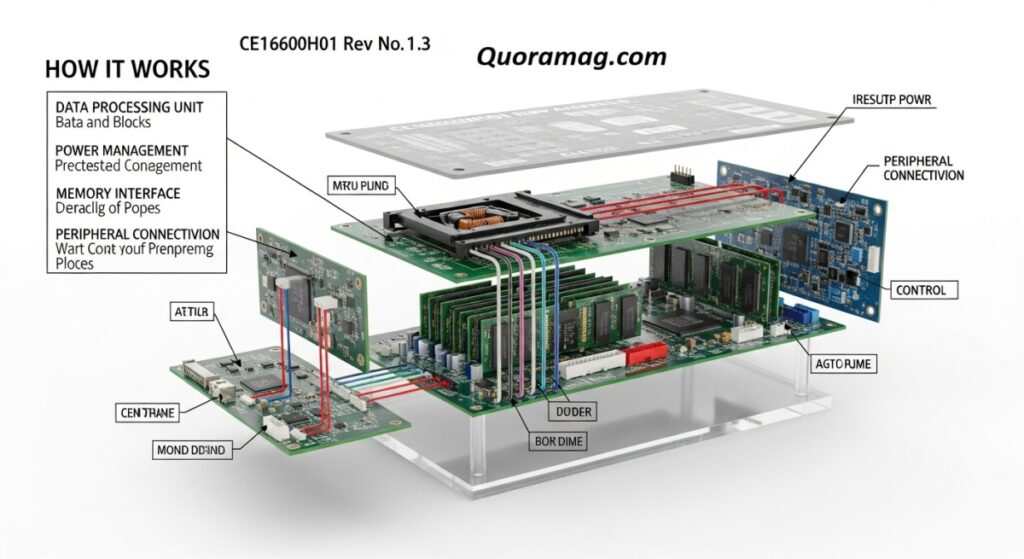
This version, “Rev No 1.3,” signifies an upgraded or revised iteration of the product, indicating improved functionality or compliance with updated standards. Understanding how this device operates is essential for maximizing its efficiency, ensuring proper integration, and troubleshooting issues when they arise.
This article delves into the CE16600H01 Rev No 1.3’s features, core functionality, applications, and maintenance, providing a comprehensive overview of its workings.
CE16600H01 Rev No. 1.3 Overview
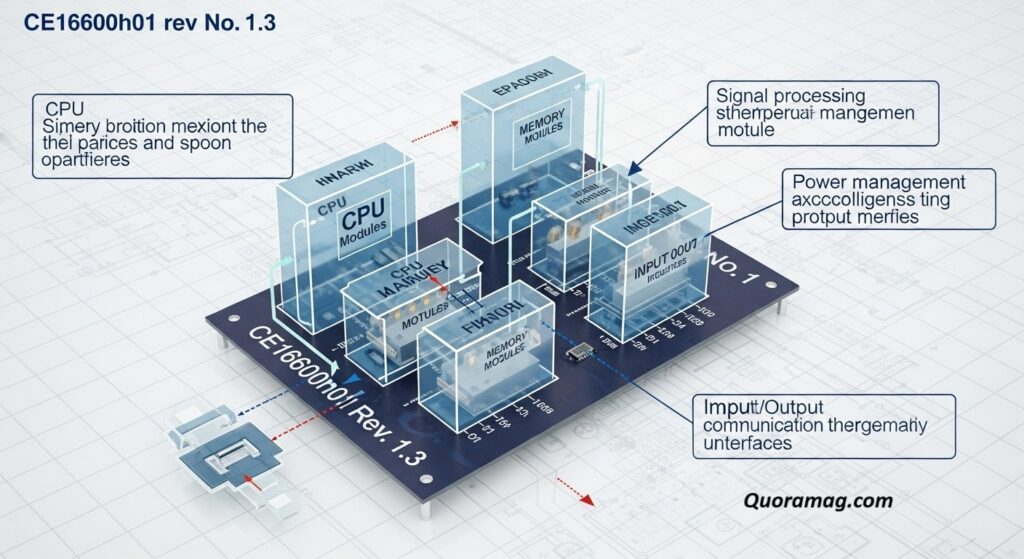
The CE16600H01 is likely an industrial, electronic, or computing component. The revision number (CE16600H01 Rev No 1.3) reflects modifications, such as enhanced performance or compatibility upgrades from earlier models. These revisions aim to address limitations or meet evolving industry requirements.
Key Specifications CE16600H01 Rev No 1.3
- Version: Rev No 1.3
- Primary Functionality: Centralized processing, monitoring, signal transmission, or data analysis (dependent on its domain).
- Notable Improvements: Enhanced processing power, optimized energy efficiency, or compatibility with modern standards.
Core Components and Their Roles
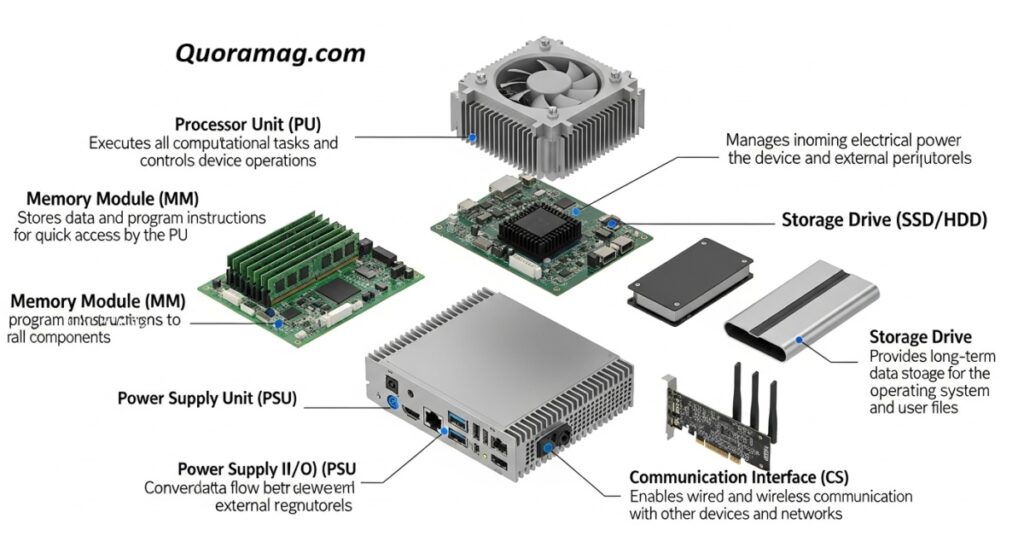
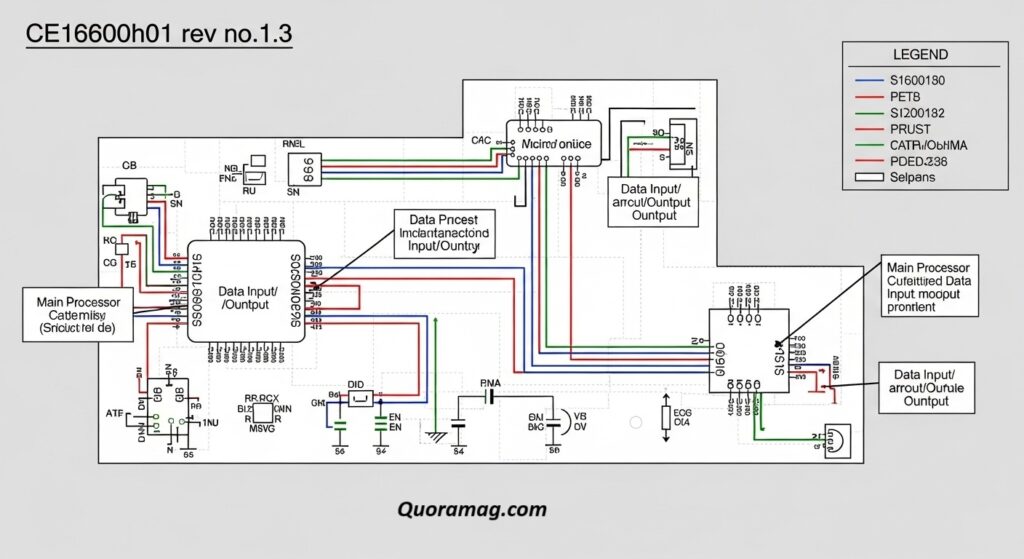
The CE16600H01 comprises several interconnected components that work together to achieve its primary function. Here’s a breakdown of these components:
Main Processing Unit
At the heart of the CE16600H01 Rev No 1.3 is the processing unit, which manages all incoming and outgoing signals or instructions.
Function: Converts input data into actionable outputs, whether electrical signals, commands, or processed information.
Key Features: High-speed operations, low latency, and error correction mechanisms.
Power Management System
The power management system ensures efficient energy consumption and prevents overheating or power surges.
Function: Distributes power to various subsystems based on demand.
Improvement in Rev No 1.3: Enhanced power efficiency and better heat dissipation.
Interface Ports and Connectors
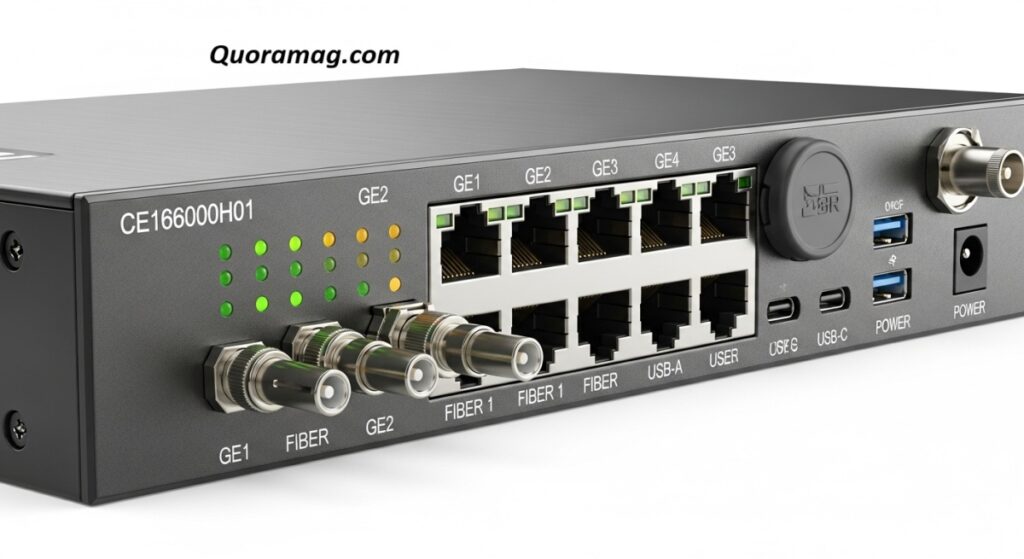
The device includes multiple ports for integration with other systems.
Function: Facilitates data exchange and hardware connectivity.
Upgrades in Rev No 1.3: Compatibility with newer standards like USB-C or advanced network protocols.
Signal Transmitter/Receiver
If applicable, the CE16600H01 manages signal transmission and reception.
Function: Ensures accurate and reliable data or signal flow between systems.
Enhancements in Rev No 1.3: Reduced interference and improved signal clarity.
Protective Housing and Insulation
The housing protects the device from environmental factors like dust, moisture, or temperature variations.
Improvement in Rev No 1.3: Enhanced durability and ergonomic design.
How CE16600H01 Rev No 1.3 Works
Understanding the operation of the CE16600H01 requires a step-by-step look at its workflow:
Step 1: Initialization
When powered on, the CE16600H01 performs a self-check to ensure all components are functioning correctly.
Diagnostics: Identifies issues in power distribution, connectivity, or internal circuitry.
LED Indicators: Status lights provide visual feedback on readiness.
Step 2: Input Processing
The device receives input data or signals through its ports or connectors.
Signal Conversion: Converts raw input into a format the processing unit can interpret.
Error Detection: Identifies and mitigates errors in the input to prevent incorrect outputs.
Step 3: Data/Signal Processing
The core processing unit takes over, handling complex algorithms or instructions.
Real-Time Processing: Executes tasks in real-time with minimal lag.
Task Prioritization: Allocates resources to high-priority operations first.
Step 4: Output Generation
Once processed, the CE16600H01 generates an output—this could be a signal, processed data, or physical action.
Output Customization: Tailored based on user configurations or operational requirements.
Feedback Loop: Monitors the output for accuracy and adjusts if necessary.
Step 5: Continuous Monitoring
During operation, the device continuously monitors its performance to maintain stability and efficiency.
Temperature Control: Activates cooling mechanisms if necessary.
Power Optimization: Adjusts energy usage dynamically.
Applications of CE16600H01 Rev No 1.3
The CE16600H01 is versatile and adaptable, making it suitable for various industries:
1. Industrial Automation
Role: Acts as a central controller for machinery, streamlining operations and reducing manual intervention.
Advantage: Enhanced reliability and integration with modern equipment.
2. Telecommunications
Role: Facilitates to high-speed data transmission also signal processing.
Advantage: Improved signal-to-noise ratio and reduced latency.
3. Healthcare
Role: Powers diagnostic devices or monitors patient vitals.
Advantage: Accurate and real-time data analysis.
4. Consumer Electronics
Role: Embedded in devices like smart home systems or wearable technology.
Advantage: Seamless connectivity and efficient power usage.
5. Research and Development
Role: Used in testing or prototyping new technologies.
Advantage: Supports rapid data analysis and experimentation.
5. Advantages of Rev No 1.3
1. Enhanced Performance
Compared to earlier versions, Rev No 1.3 offers improved speed, reliability, and accuracy.
2. Better Compatibility
The updated revision integrates seamlessly with newer systems, making it future-proof.
3. Energy Efficiency
Reduced power usage lessens the impact on the environment and operating costs.
4. User-Friendly Interface
Simplified controls and indicators make it accessible to users with varying expertise.

Maintaining the CE16600H01 Rev No 1.3
Proper maintenance is crucial for ensuring the device’s longevity and performance.
Cleaning
To clean the outside, use a dry cloth free of lint.
Unless the manufacturer specifies otherwise, stay away from utilizing liquids.
Inspection
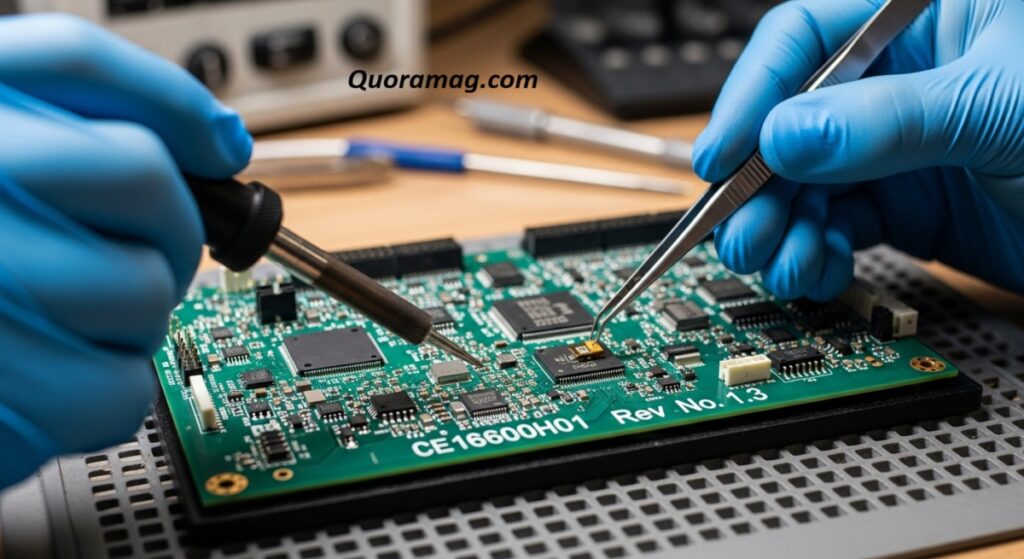
Regularly inspect for wear or damage.
Inspect connectors for dust or corrosion.
Software Updates
Install firmware or software updates provided by the manufacturer to benefit from performance enhancements or bug fixes.
Storage
Keep in a dry & cold place when not in use.
For protection against physical harm, use protective case.
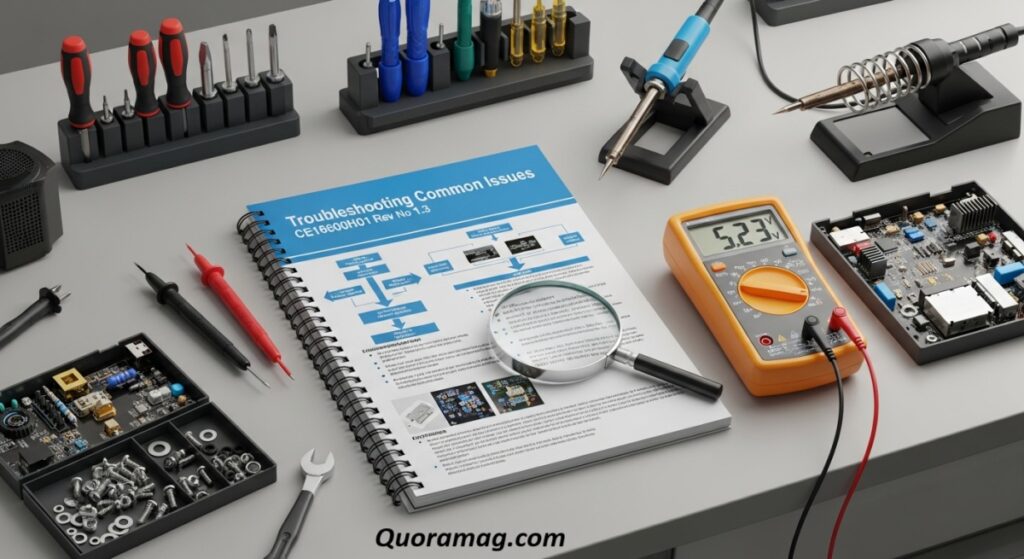
Troubleshooting Common Issues
Issue 1: Device Not Powering On
Solution: Check power source and connections. Replace any damaged cables.
Issue 2: Intermittent Performance
Solution: Inspect for loose connections or overheating. Ensure proper ventilation.
Issue 3: Signal Loss or Data Errors
Solution: Verify input/output settings and inspect for interference sources.
Issue 4: Overheating
Solution: Clean cooling vents and ensure adequate airflow around the device.
Conclusion
The CE16600H01 Rev No 1.3 is a sophisticated device designed to deliver high performance and reliability across various applications. By understanding its components, functionality, and maintenance requirements, users can optimize its operation and extend its lifespan. With the advancements in Rev No 1.3, this device stands out as a versatile and future-ready solution for modern technological needs.