
The history of Casabella is now Palm Beach farms
Nestled in the southeastern corner of Florida, Palm Beach Farms has evolved from a sprawling agricultural hub to an integral part of the greater Palm Beach County area. Known for its agricultural roots, beautiful landscapes, and close-knit community, Palm Beach Farms is a place where both nature and history converge. Today, it stands as a testament to the region’s agricultural beginnings while embracing the growth and development of modern life. This article will explore the history, agricultural significance, community development, and the ongoing legacy of Palm Beach Farms.
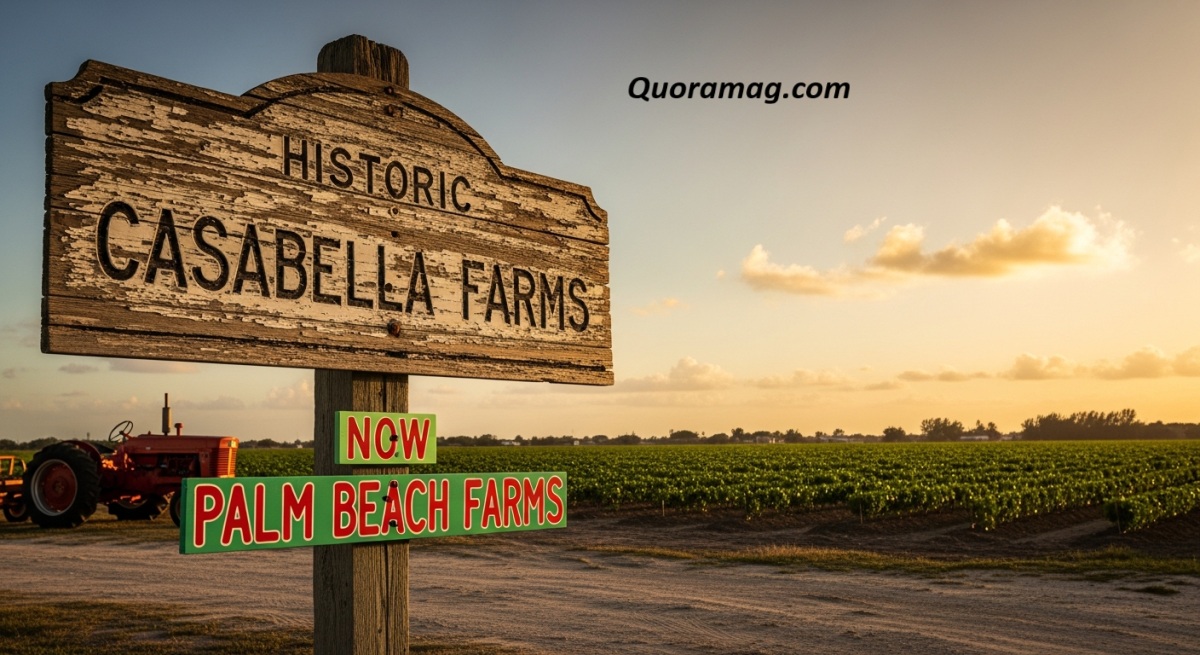
Historical Background: From Agriculture to Suburban Development
Palm Beach Farms was once a large swath of fertile farmland that played a significant role in the development of Palm Beach County. The area was originally used for various agricultural pursuits, including the cultivation of vegetables, fruits, and sugarcane. Its proximity to the Atlantic Ocean and the climate of southeastern Florida made it a prime location for agricultural growth, particularly in the early 20th century.
In the early 1900s, This Farms was developed as part of a series of agricultural ventures designed to capitalize on the fertile soil of the region. The area’s expansive land was used for farming crops that were well-suited to the subtropical climate, including tomatoes, cabbage, and other vegetables. Citrus groves also flourished, contributing to Florida’s reputation as the “Sunshine State,” known for its orange groves and production of fresh citrus products.
By the 1920s, Palm Beach Farms became a known farming community, particularly benefiting from the expansion of the Florida East Coast Railway, which helped bring goods to market and transport farm products from the region to larger population centers. The fertile land and access to transportation made Beach Farms an attractive area for both small-scale and commercial farmers. Over time, local farming families established roots, contributing to the growth and prosperity of the community.
Try it out; you’ll enjoy it: What Advantages Does Using DeepArt Offer?
Development of Palm Beach Farms: A Shift from Agriculture to Suburban Living
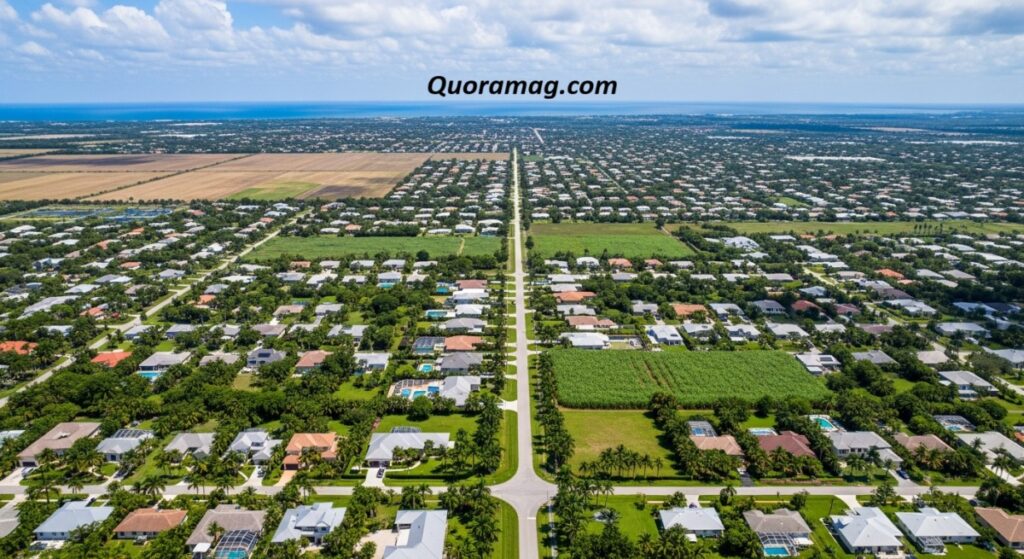
The 20th century marked a shift in the way land in Palm Beach County was used. As the population of Florida grew, especially following the development of nearby cities like West Palm Beach, the demand for residential and commercial properties increased. This led to the transition of once-pristine farmland into suburban neighborhoods and commercial centers.
Palm Beach Farms, like much of the surrounding areas, underwent rapid suburbanization during the mid-20th century. Large plots of agricultural land were sold off and subdivided for housing developments. The area’s transformation was part of a broader trend in South Florida, where many agricultural areas were gradually replaced by sprawling residential developments to accommodate the rising demand for homes.
One of the pivotal moments in this transformation was the establishment of the town of Palm Gardens in the 1950s. As the development of this new city expanded, Palm Beach Farms found itself on the edge of rapid growth and commercial development. The establishment of the Interstate 95 highway, which runs through Palm Beach County, also contributed to this shift, making it easier for people to commute to larger urban centers and fueling the expansion of suburban living in the area.
While Palm Beach Farms became more residential and commercial, the agricultural influence still lingered. The soil and climate that had once supported vast fields of crops were now harnessed for suburban landscaping, golf courses, and other recreational spaces that flourished throughout the Palm Beach Gardens area. Palm Beach Farms’ agricultural legacy continues to shape the aesthetics and character of the area today.
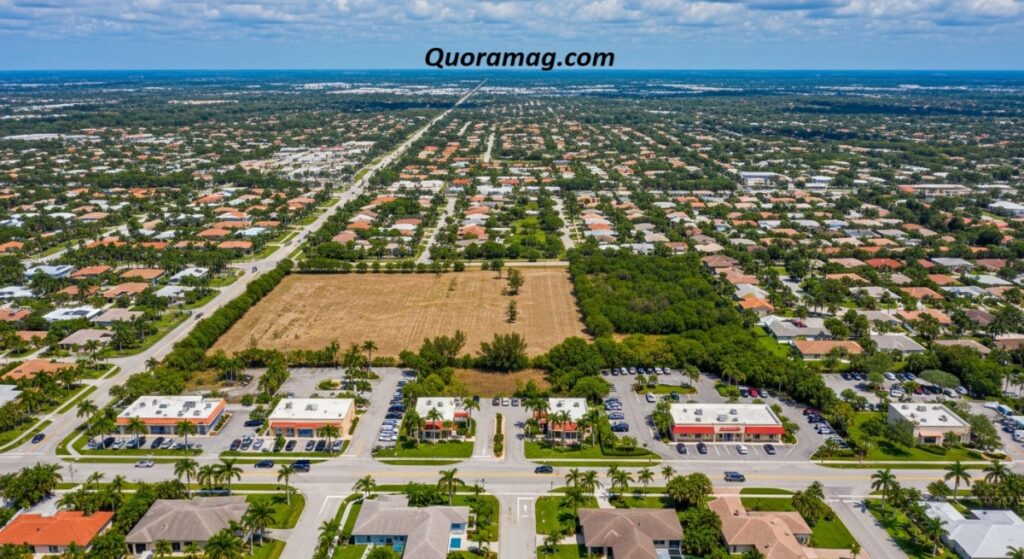
Agricultural Influence and Legacy
Though suburbanization took hold of much of Palm Beach Farms, its agricultural roots have not been entirely forgotten. Many parts of the region still bear the legacy of farming, with a continued emphasis on local agriculture and sustainability. Florida’s tropical climate allows for the growth of a variety of crops, and the surrounding region remains one of the leading agricultural producers in the state.
Farmers markets and local produce stands are common sights, especially in the Palm Beach Gardens and West Beach areas, offering fresh fruits, vegetables, and other farm goods from the surrounding region. Palm Beach Farms also remains an area where some agricultural operations continue to thrive, particularly in niche markets, such as organic farming and specialty crops. These operations serve not only the local community but also the broader Florida market, which relies heavily on home-grown agricultural products.
The legacy of agriculture is also preserved through the many community gardens and environmental initiatives in the area. Residents and local organizations emphasize green spaces, sustainable practices, and supporting local farmers. These initiatives reflect the ongoing connection to the land that shaped the region’s history and development.
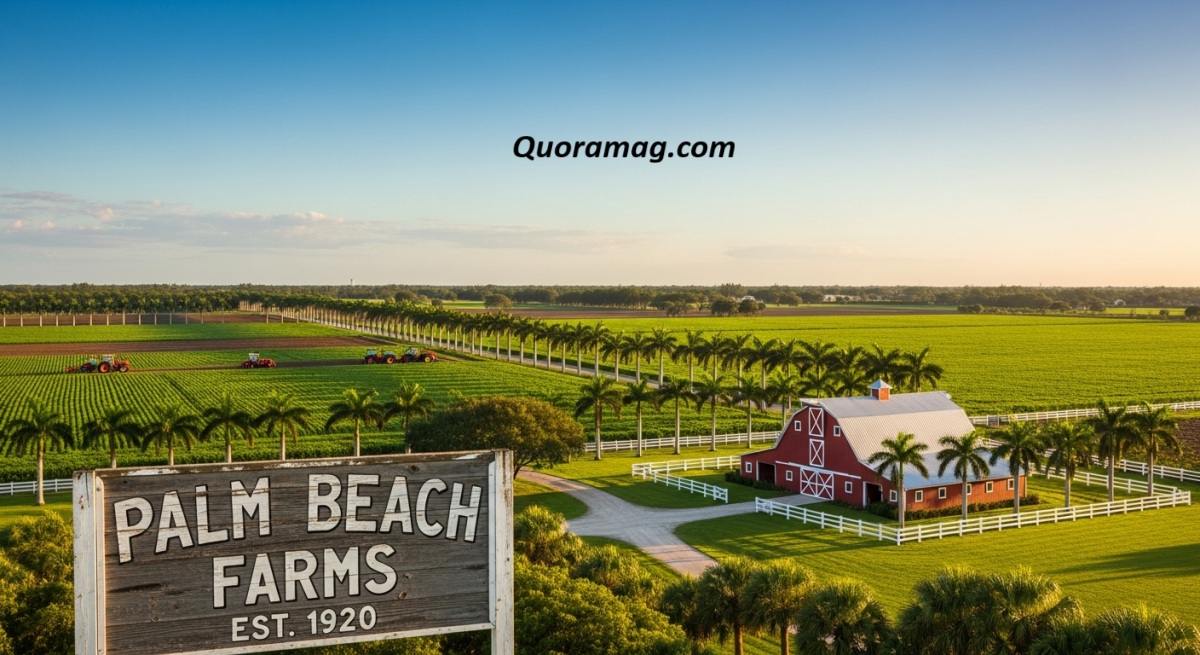
Palm Beach Farms Today: A Thriving Community
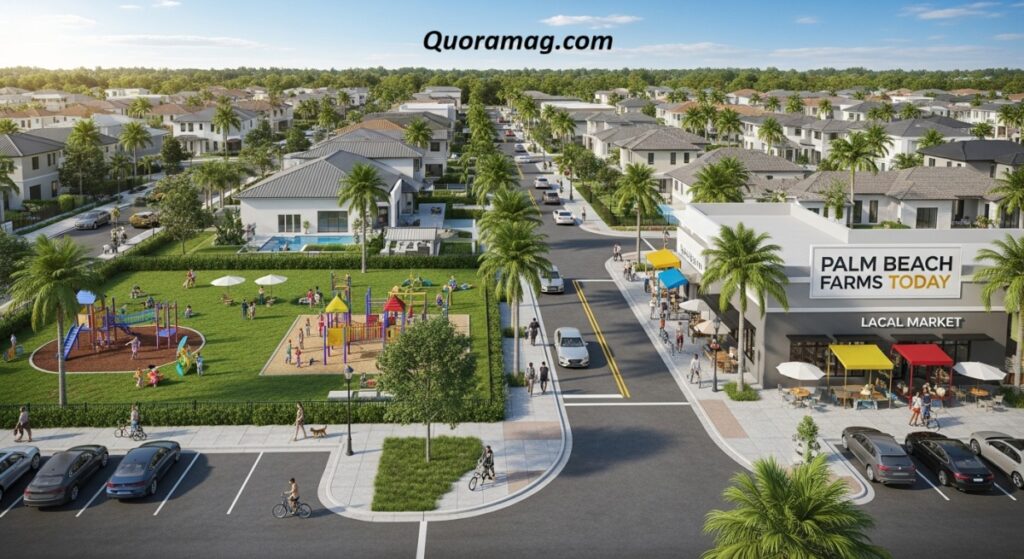
Today, Beach Farms is part of the larger Palm Beach Gardens community, a thriving and affluent area known for its high quality of life, excellent schools, and proximity to world-class shopping and dining. The area is characterized by a blend of suburban living and access to natural beauty, with many residential communities nestled among lush green spaces and recreational areas.
One of the most notable features of Palm Gardens is its network of parks and recreational spaces, which have their roots in the agricultural landscape of the past. The area’s commitment to maintaining green spaces and promoting outdoor activities reflects the values that have long been associated with Palm Beach Farms and its agricultural history.
The Palm Beach Gardens area is also home to numerous cultural institutions, such as museums, theaters, and botanical gardens, which contribute to the rich cultural fabric of the community. The city is known for its golf courses and country clubs, and it remains a popular destination for both residents and tourists seeking a luxurious, active lifestyle.
Despite the transformation of Palm Farms into a suburban paradise, the area still carries a sense of community and connection to its agricultural past. The area’s residents are passionate about maintaining the balance between development and nature, and ongoing initiatives continue to preserve the area’s environmental integrity while accommodating the needs of a growing population.
Palm Beach Farms: Environmental Sustainability and the Future
As urban sprawl continues to expand throughout Florida, Palm Beach Farms faces the challenges of balancing growth with environmental sustainability. The legacy of farming and agriculture remains a driving force in the region’s ongoing commitment to environmental stewardship.
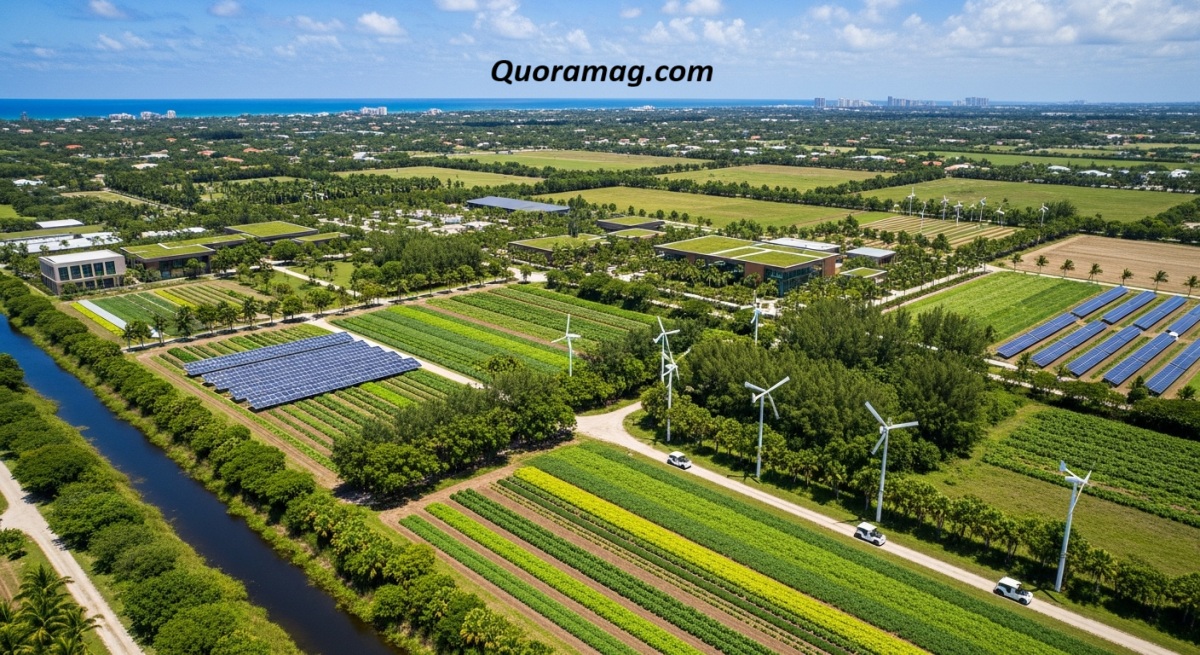
Sustainable practices are being incorporated into residential developments, public spaces, and commercial operations throughout Palm Beach Gardens. The incorporation of sustainable landscaping, water conservation, and eco-friendly construction techniques is a growing trend in the area, reflecting a broader commitment to preserving the natural environment.
In addition, many community organizations are working to promote green practices and ensure that the environmental health of Palm Beach Farms is maintained for future generations. Local farming initiatives, such as community-supported agriculture (CSA) programs and educational outreach about sustainable farming, help keep the region connected to its agricultural roots while moving toward a more sustainable future.
Conclusion
Palm Beach Farms, once an agricultural powerhouse in southeastern Florida, has undergone a remarkable transformation over the past century. While it has evolved into a suburban and commercial epicenter, the area retains its connection to the land and its agricultural history. Today, Palm Farms remains a testament to the resilience of the region’s natural beauty and the vision of those who shaped it.
Whether it’s through the ongoing agricultural enterprises that thrive in the region, the green spaces that dot the landscape, or the continued commitment to environmental sustainability, Palm Beach Farms stands as a unique and important part of the greater Palm County area. The area’s history, from its early agricultural days to its modern suburban development, reflects both the challenges and the successes of a community that values its past while looking toward a bright and sustainable future.