
Detailed Guide to the Nivard A100
The Nivard A100 is a state-of-the-art, high-performance device known for its advanced features, durability, and versatility.
Whether you’re new to the product or seeking to expand your knowledge about its full potential, understanding the Nivard A100 can make a substantial difference in optimizing its performance for your needs.
This detailed guide will explore the key features, specifications, setup process, and usage tips of the Nivard-A100 to ensure you get the most out of your investment.
Overview of the Nivard A100
The Nivard A100 is a robust, multifunctional device used in various industries such as automation, industrial control, and electronic systems. It is designed to provide highly accurate and reliable performance, even under demanding conditions. The product boasts a range of features, including high precision, a user-friendly interface, and a compact design that can be integrated into multiple applications.
The Nivard-A100 is engineered for professionals who require a device that can handle complex tasks while remaining easy to use and maintain. From industrial machinery to lab experiments, the Nivard A100 is built to be versatile and adaptable. Its impressive specifications make it a top choice for anyone seeking both performance and value in their equipment.
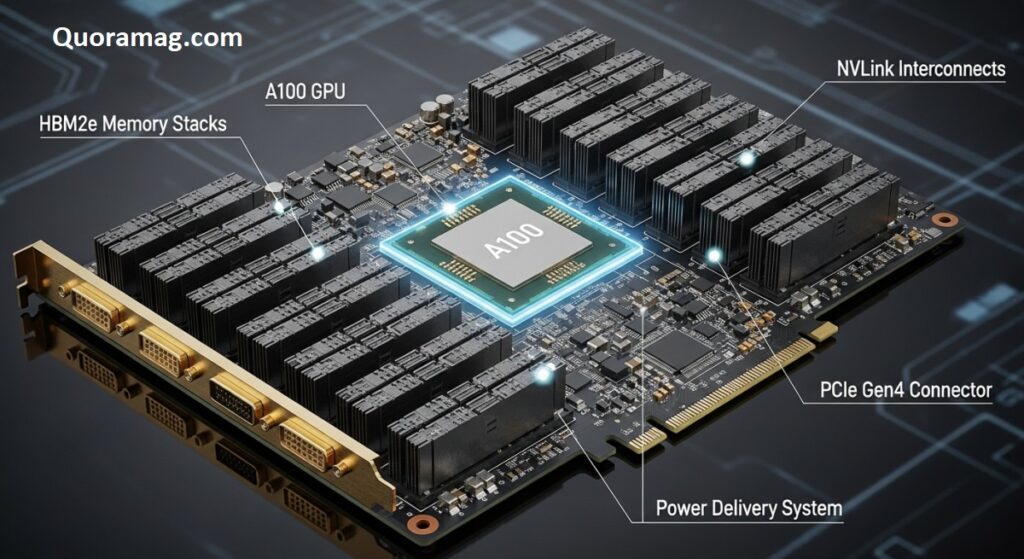
Read This Article: Which Advantages come with using egg20_25?
Key Features and Specifications
Understanding the specifications and features of the Nivard A100 is crucial to ensuring that it meets your specific needs. Below are some of the notable features and technical specifications:
High Precision and Accuracy
The Nivard A100 is equipped with advanced sensors and processors to ensure high precision in measurements and data processing.
Accuracy is maintained across a wide range of operations, making it suitable for sensitive tasks in industries such as automation and data analysis.
Versatile Application Range
The Nivard A100 is designed to work seamlessly across multiple environments, from industrial machinery to more intricate laboratory settings.
Its versatility is enhanced by the availability of multiple input and output options, supporting both analog and digital signals.
User-Friendly Interface
The interface is intuitive, allowing operators to quickly set up and manage operations without the need for extensive training.
A digital screen displays key data and status updates, which can be easily monitored and adjusted via touch or buttons, depending on the model.
Robust Build and Durability
The device is built with durability in mind. It features a high-quality casing that protects it from harsh environmental factors, such as dust, moisture, and physical impacts.
The Nivard A100 is designed to operate in extreme conditions, withstanding high levels of heat and vibration, making it suitable for industrial and outdoor settings.
Power Efficiency
With an emphasis on energy efficiency, the Nivard A100 ensures that power consumption is kept to a minimum without compromising on performance.
The device can operate continuously without overheating or requiring frequent maintenance, making it cost-effective in the long run.
Connectivity Options
The device supports various connectivity options, such as Ethernet, Bluetooth, and USB, ensuring that it can easily integrate with existing systems.
Remote monitoring and control are made possible through these connectivity options, allowing for seamless data transfer and system integration.
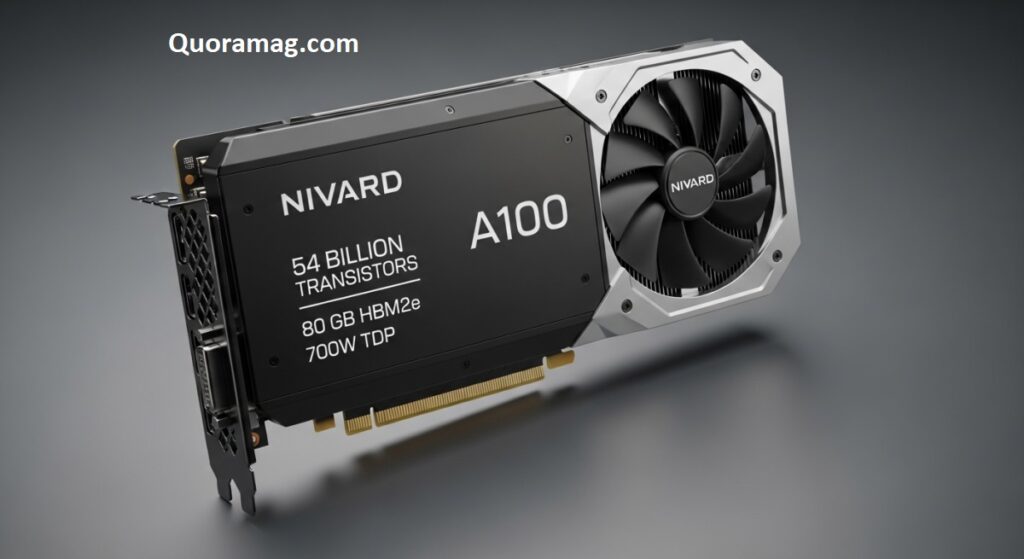
Setting Up the Nivard A100
Proper installation and setup are essential to getting the best performance from the Nivard A100. This section outlines the step-by-step guide to set up the device.
Unboxing and Inspection
When you receive the Nivard A100, start by carefully unboxing the device and inspecting it for any visible damage during shipping. Ensure that all components are present and undamaged, including the device, power cables, connectors, and user manuals.
Place the device in a clean, dry area to avoid dust accumulation.
Connecting Power
Connect the device to a stable power source, ensuring that the voltage and power requirements match the specifications listed in the user manual.
Use the provided cables for the initial connection. Make sure the power source is grounded to avoid any electrical issues.
Connecting to the System
If the Nivard A100 is part of a larger system, such as an industrial control system, connect it to the necessary input/output terminals.
Use the appropriate cables and connectors for analog or digital signals as required by your setup. The system interface will typically feature clearly labeled ports to ensure easy connection.
Powering On
After making all the necessary connections, power on the device. The user interface will display the system’s startup screen, and the Nivard A100 will begin its self-test procedure.
Follow the on-screen instructions to confirm the successful setup of the hardware and software components.
Configuration
Once powered on, access the settings menu to configure the Nivard A100 according to your operational needs. This could include adjusting parameters such as signal processing, network settings, or operational modes.
If the Nivard A100 is equipped with remote control or monitoring features, configure the network settings (Wi-Fi, Bluetooth, etc.) to allow for external control and monitoring via compatible devices or software.

Operating the Nivard A100
Once set up, the Nivard A100 can be used for a wide range of tasks, from precision data measurement to automation tasks. Here are the key operational elements:
User Interface
The Nivard A100’s interface is designed for ease of use. It usually includes a touchscreen display, providing a clear and simple layout for monitoring operations, changing settings, and viewing real-time data.
Use the buttons or touch controls to navigate through different settings, check operational status, and adjust parameters such as sensitivity, range, or output.
Adjusting Operational Settings
The device allows you to customize its settings to suit specific tasks. Adjust the data sampling rate, input signal range, or output specifications as required for your task.
Many models of the Nivard A100 come with preset modes for standard tasks, but it is highly configurable for more advanced, custom applications.
Monitoring and Maintenance
The Nivard A100 provides real-time data on its operational performance, including power usage, system status, and operational efficiency.
Regular maintenance involves checking the device for wear and tear, cleaning the external casing to prevent dust buildup, and ensuring that all connections remain secure.
Perform software updates as recommended by the manufacturer to ensure the system is always running at optimal performance.

Common Applications of the Nivard A100
The Nivard A100 is versatile, with applications across multiple sectors. Below are a few examples of where this device is most commonly used:
Industrial Automation
In manufacturing, the Nivard A100 is used for controlling and monitoring automated processes, from assembly lines to robotic arms. Its precision and reliability make it ideal for tasks that require constant monitoring and adjustments.
Environmental Monitoring
The Nivard A100 is also used for monitoring environmental factors like temperature, humidity, and atmospheric pressure. Its ability to function in harsh conditions makes it perfect for remote environmental analysis.
Laboratory Testing
In laboratories, the device is utilized for conducting precise measurements and experiments, particularly where accuracy is crucial, such as in chemistry or physics research.
Data Acquisition Systems
The Nivard A100 is a key component in data acquisition systems, enabling the collection and processing of large volumes of data for analysis, research, or operational decision-making.

Conclusion
The Nivard A100 is a powerful, adaptable, and durable device designed to meet the needs of professionals in a wide range of industries. With its precision, ease of use, and versatility, it offers exceptional performance for both simple and complex applications.
By following the setup instructions, understanding its key features, and employing best practices for operation and maintenance, users can ensure that they get the most out of their Nivard A100.
Whether used for industrial automation, environmental monitoring, or data acquisition, the Nivard A100 is a reliable tool that can enhance efficiency and productivity in any professional setting.