
Introduction of Round Table NWBKA
Round Table NWBKA: Advancing Sustainable BeekeepingSustainable beekeeping has become increasingly important as pollinator populations face growing environmental threats. Bees play a critical role in maintaining biodiversity and supporting global food systems, making responsible apiculture more essential than ever.
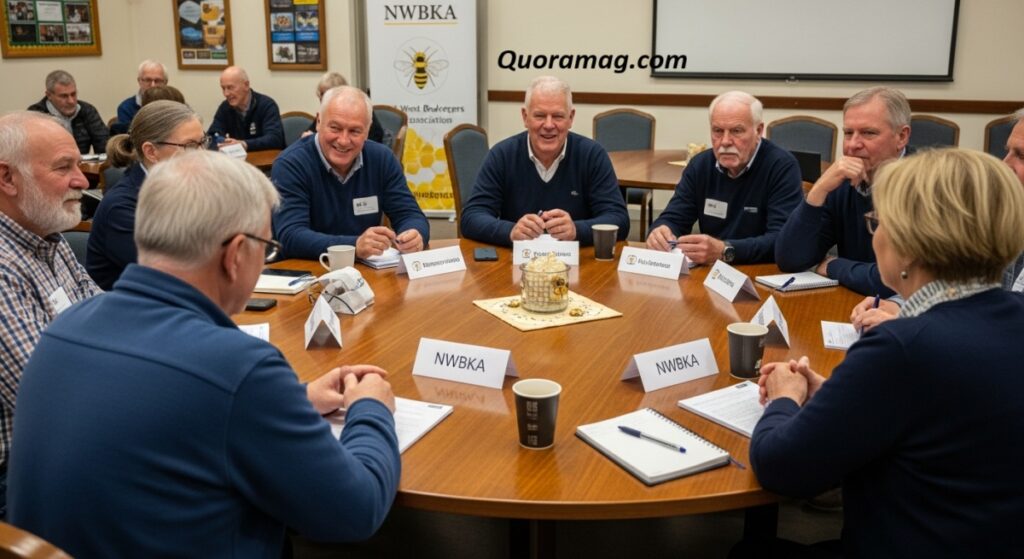
The Round Table of the North West Beekeepers Association (NWBKA) serves as a collaborative platform dedicated to promoting ethical, informed, and sustainable beekeeping practices. By bringing together experienced beekeepers, beginners, and environmental advocates, the Round Table NWBKA works to protect bee health, encourage environmental stewardship, and strengthen the future of beekeeping through education, dialogue, and community engagement.
Beekeeping has evolved far beyond a traditional agricultural practice; it is now a vital component of environmental sustainability, biodiversity preservation, and food security. In this growing movement, organizations that promote ethical, informed, and sustainable beekeeping play a crucial role.
One such organization is the Round Table of the North West Beekeepers Association (NWBKA), which stands at the forefront of advancing sustainable beekeeping practices through education, collaboration, and environmental responsibility.
The Round Table NWBKA serves as a platform where knowledge meets practice, bringing together beekeepers, environmental advocates, researchers, and community members with a shared goal: protecting bees while supporting responsible apiculture. Its work reflects a broader understanding that healthy bee populations are essential not only for honey production but for the health of ecosystems worldwide.
Read This Article: Poser V4 Z Tresomme | Digital Art Powerhouse Explained
Understanding the Mission of Round Table NWBKA
The primary mission of the Round Table NWBKA is to promote sustainable beekeeping methods that balance productivity with environmental stewardship. Rather than focusing solely on yield, the organization emphasizes the long-term health of bee colonies, natural habitats, and surrounding ecosystems.
By fostering open discussions and shared learning, the Round Table encourages beekeepers to adopt practices that reduce stress on bees, minimize chemical exposure, and align with natural bee behavior. This mission-driven approach ensures that beekeeping contributes positively to biodiversity rather than exploiting it.

The Importance of Sustainable Beekeeping
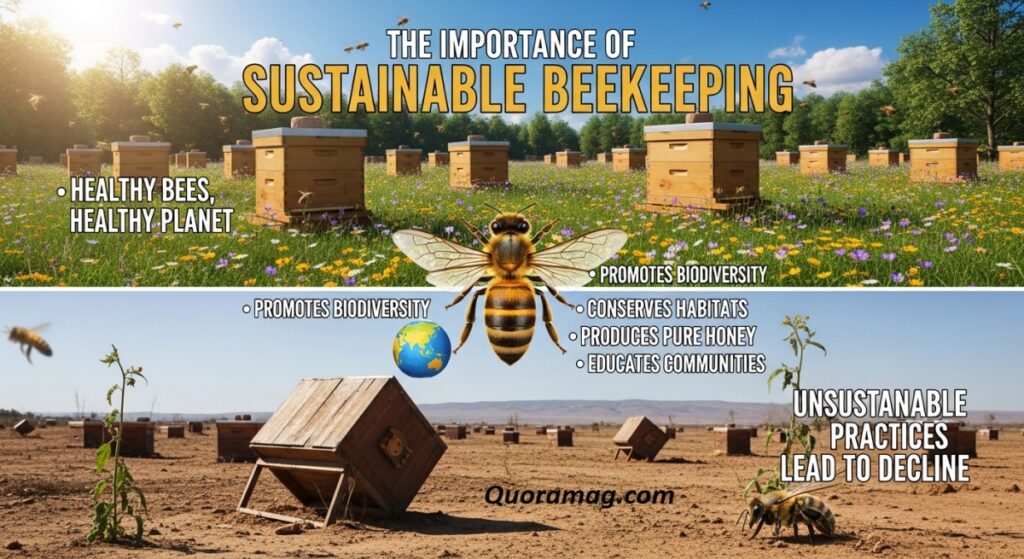
Sustainable beekeeping goes beyond maintaining hives; it involves understanding the delicate relationship between bees, plants, climate, and human activity. Bees are essential pollinators, supporting a significant portion of global food crops and wild plant species. Declines in bee populations due to habitat loss, pesticides, climate change, and disease have raised global concern.
The Round Table NWBKA addresses these challenges by advocating for methods that protect pollinators while maintaining viable beekeeping operations. Sustainable practices help ensure that beekeeping remains a solution rather than a contributing factor to ecological decline.
Educational Initiatives and Knowledge Sharing
One of the strongest pillars of the Round Table NWBKA is education. The organization provides structured opportunities for both beginner and experienced beekeepers to deepen their understanding of sustainable practices.
Workshops and Training Sessions
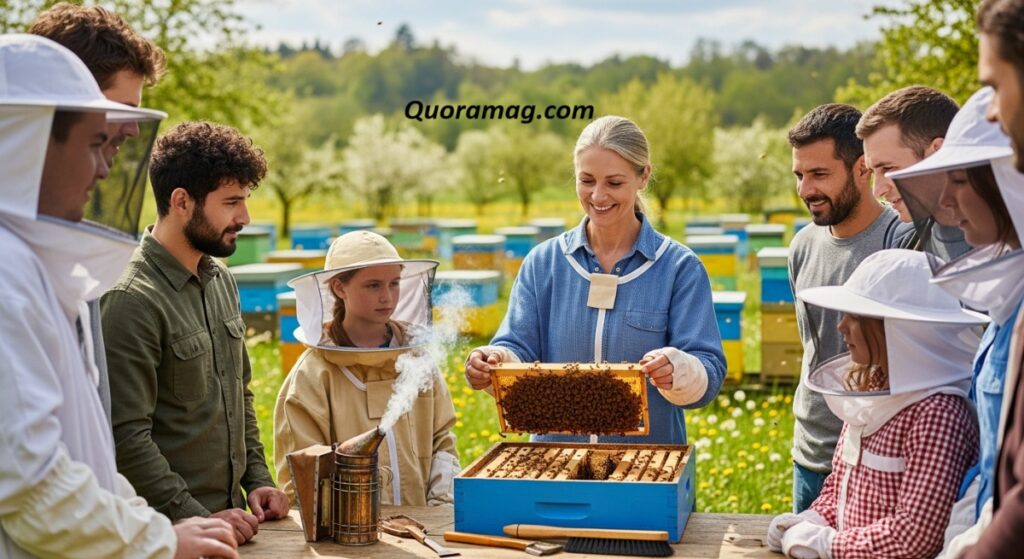
Hands-on workshops focus on hive management, seasonal care, disease prevention, and natural swarm control. These sessions allow participants to learn practical skills while understanding the science behind them, ensuring that beekeeping decisions are informed and responsible.
Round Table Discussions
The Round Table format itself encourages dialogue rather than one-directional teaching. Members share real-world experiences, challenges, and solutions, creating a collaborative learning environment. This peer-to-peer exchange strengthens the beekeeping community and promotes adaptive problem-solving.
Promoting Bee Health and Welfare
At the heart of the Round Table NWBKA’s work is a strong commitment to bee welfare. Sustainable beekeeping prioritizes the well-being of colonies over short-term productivity gains.
The organization promotes practices such as:
- Minimizing hive disturbances
- Avoiding unnecessary chemical treatments
- Supporting natural foraging behaviors
- Encouraging genetic diversity in bee populations
By focusing on colony resilience and natural balance, the Round Table helps reduce dependency on artificial interventions that may weaken bees over time.

Environmental Stewardship and Habitat Conservation
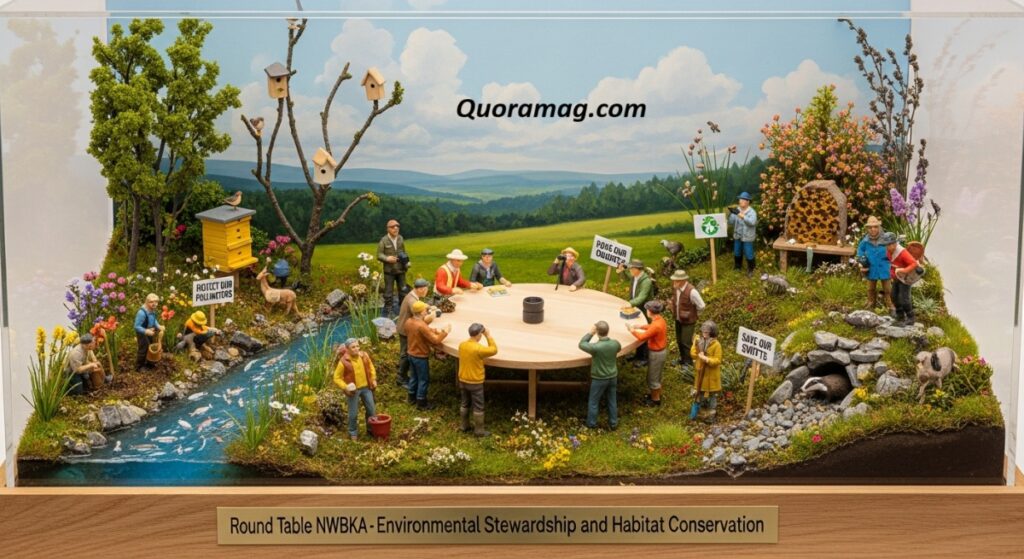
Beekeeping cannot exist in isolation from the environment. Recognizing this, the Round Table NWBKA actively promotes habitat conservation as a core component of sustainable apiculture.
Members are encouraged to support pollinator-friendly landscapes by planting native flowers, protecting wild habitats, and working with local communities to improve green spaces. These efforts benefit not only managed honey bees but also wild pollinators, contributing to healthier ecosystems overall.
Community Engagement and Collaboration
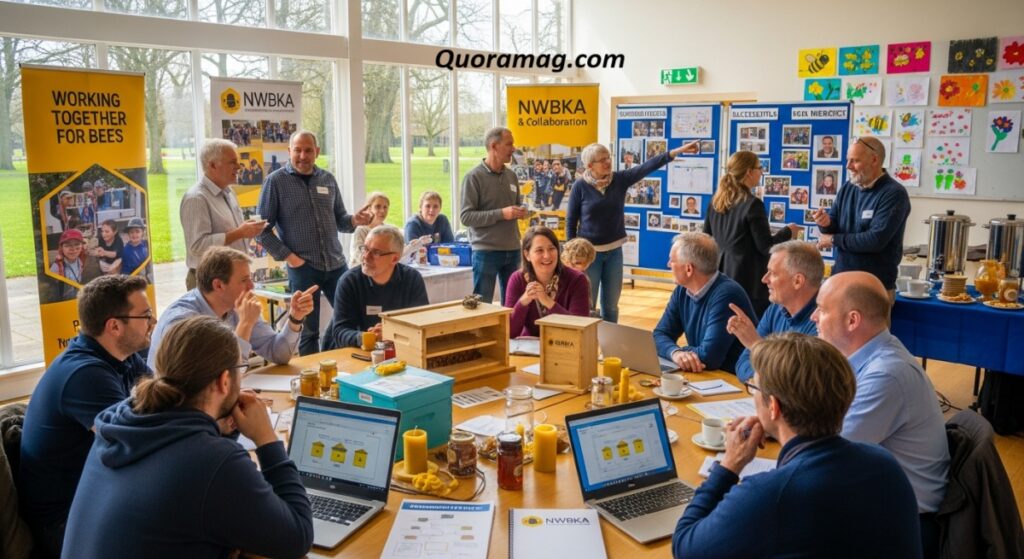
The Round Table NWBKA understands that sustainable beekeeping requires collective action. The organization actively engages with local communities, schools, environmental groups, and agricultural stakeholders to raise awareness about the importance of pollinators.
Through outreach programs and collaborative initiatives, the Round Table helps bridge the gap between beekeepers and the public. This engagement fosters respect for bees, encourages responsible land use, and builds support for pollinator-friendly policies.
Supporting New and Aspiring Beekeepers
Starting a beekeeping journey can be challenging, especially when sustainability is a priority. The Round Table NWBKA provides guidance and mentorship to new beekeepers, helping them avoid common mistakes and adopt best practices from the beginning.
By emphasizing ethical hive management and long-term thinking, the organization ensures that new entrants contribute positively to the beekeeping ecosystem rather than unintentionally causing harm.
Adapting to Modern Challenges
Modern beekeeping faces evolving challenges, including climate change, emerging diseases, and changing land-use patterns. The Round Table NWBKA remains proactive by encouraging adaptive strategies and continuous learning.
Discussions often address topics such as:
- Climate-resilient beekeeping techniques
- Monitoring and managing pests responsibly
- Balancing traditional methods with modern research
This forward-thinking approach ensures that sustainable beekeeping remains viable in a rapidly changing world.
The Broader Impact of Round Table NWBKA
The influence of the Round Table NWBKA extends beyond individual beekeepers. By promoting sustainability, education, and collaboration, the organization contributes to broader environmental goals, including biodiversity conservation and food system resilience.
Healthy bee populations support agriculture, natural ecosystems, and human well-being. The work of the Round Table helps reinforce the idea that beekeeping is not just a hobby or profession, but a responsibility toward the planet.
Final Thoughts
The Round Table NWBKA represents a thoughtful and responsible approach to modern beekeeping. By advancing sustainable practices, prioritizing bee welfare, and fostering community collaboration, the organization plays a vital role in protecting pollinators for future generations.
In a time when environmental challenges are increasingly complex, initiatives like the Round Table NWBKA remind us that meaningful change begins with shared knowledge, ethical choices, and respect for nature. Sustainable beekeeping is not just about producing honey—it is about nurturing life, balance, and resilience in the ecosystems we all depend on.