
Why Does Antulima Matter? A Comprehensive Overview
Antulima is a term that might be unfamiliar to some, but it holds significant importance in various contexts, particularly in cultural, ecological, and scientific discussions.
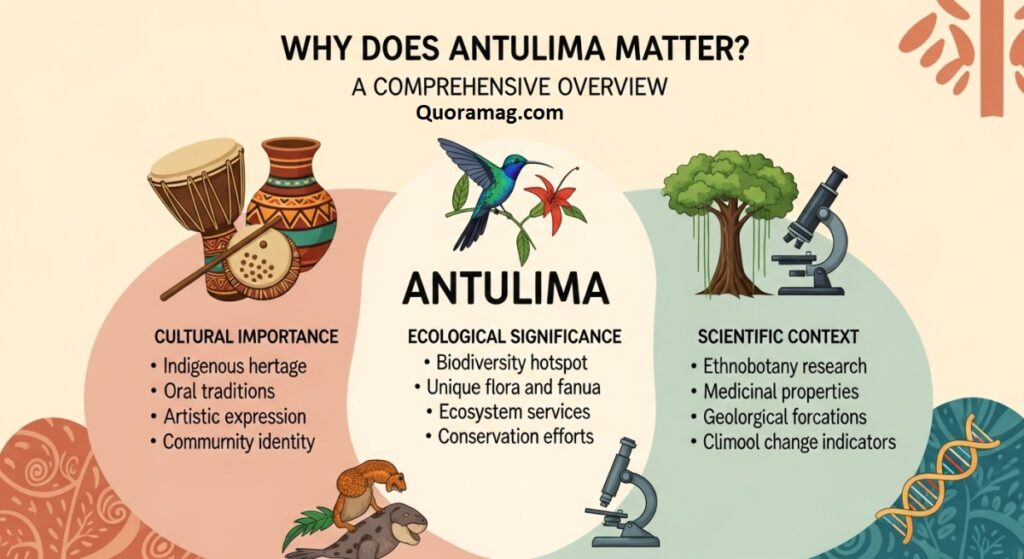
Whether it is a name of a place, a person, or a concept, Stimulant’s significance extends across different domains. In this article, we will explore why this is important by looking at its relevance in a variety of contexts, including its environmental, social, and scientific importance.

1. Antulima in Environmental Conservation
One of the key areas where Antulima is gaining attention is in the field of environmental conservation. In certain regions, it refers to an area known for its unique biodiversity and ecological significance. This area could be a natural reserve or a forest that houses a wide variety of flora and fauna, some of which may be endangered or indigenous to the region.
Ecologists and environmentalists have recognized as a crucial location for biodiversity conservation, with its ecosystems providing vital services such as carbon sequestration, water filtration, and soil stabilization. These services are critical for mitigating the effects of climate change, preventing soil erosion, and maintaining the natural balance of the environment.
In addition, the area is often home to rare species of animals and plants, many of which might be found only in this region. Protecting from deforestation, urbanization, and other human-induced threats is essential to preserving these species and maintaining ecological diversity. By focusing on preserving Anticlimax natural habitats, we are helping to ensure that future generations can benefit from the rich biodiversity that exists there today.

2. Antulima in Cultural Heritage
Anticlimax importance also lies in its cultural and historical relevance. In certain cultures, the term “Antulima” may be used to describe a traditional practice, community, or historical event that has shaped the local way of life. The cultural significance of this can be seen through art, music, folklore, and rituals that are passed down through generations.
Cultural anthropologists often study places and terms like Antulima to better understand how ancient practices and traditions have shaped modern societies. These cultural practices not only provide insight into the history of a people but also offer a sense of identity and continuity for those who still live by these traditions today.
For example, in some indigenous communities, Antulima might represent a festival or ritual that has been celebrated for centuries. These cultural events are important because they promote social cohesion, strengthen community bonds, and pass on critical knowledge to younger generations. The preservation of these traditions is often seen as a way to honor the past while contributing to the ongoing cultural vibrancy of a community.

3. Antulima in Scientific Research
In the realm of scientific research, Antulima has a growing importance due to its potential for contributing to advancements in fields such as medicine, agriculture, and sustainability. Researchers may study for its unique species of plants and animals, some of which might hold the key to groundbreaking discoveries.
For example, certain plants in might possess medicinal properties that could lead to the development of new drugs or treatments. The study of these natural resources has been essential in the discovery of several life-saving medicines. Similarly, the agricultural practices or crops grown in this region might be of interest to scientists working on improving food security or developing more sustainable farming techniques.
Antulima’s ecosystems also offer opportunities for scientific exploration in terms of climate change. Researchers can observe how local species adapt to shifting environmental conditions, providing valuable insights into how ecosystems around the world might react to future global warming or habitat loss.

4. Antulima’s Role in Sustainability
Sustainability is one of the most pressing issues facing the world today, and Antulima plays an important role in addressing this challenge. Many places that are referred to as Antulima are considered crucial for maintaining a balance between human development and environmental preservation. For instance, if this is a natural reserve or a key agricultural area, it could be central to sustainable practices that ensure resources are used wisely and responsibly.
In the context of agriculture, sustainable farming techniques can be observed in areas like Antulima, where local farmers work to preserve soil health, conserve water, and minimize the use of harmful pesticides. These practices can be models for sustainable agriculture around the world, promoting food production methods that are both environmentally friendly and economically viable.
Moreover, this role in combating climate change cannot be overstated. Its ecosystems may help to absorb carbon dioxide from the atmosphere, acting as a carbon sink. The conservation of these ecosystems is therefore a key component of global climate change mitigation efforts.

5. Antulima in Education and Awareness
Another area where Antulima’s importance shines is in education and raising awareness about environmental, cultural, and social issues. Educational programs often use regions like Antulima to teach about the delicate balance between human activity and nature, as well as the importance of preserving cultural heritage.
Local schools, universities, and community organizations may use Antulima as a case study to show how environmental conservation and cultural preservation can go hand in hand. Students and researchers are encouraged to learn about the intersection of ecology, culture, and sustainable development by examining real-world examples like Antulima.
Public awareness campaigns can also be instrumental in promoting the importance of protecting areas like Antulima. By highlighting its value, these campaigns can inspire a sense of responsibility in individuals and governments to take action. Whether through supporting local conservation efforts or advocating for policy changes, raising awareness about This can lead to positive change in the community and beyond.

6. Tourism and Economic Development
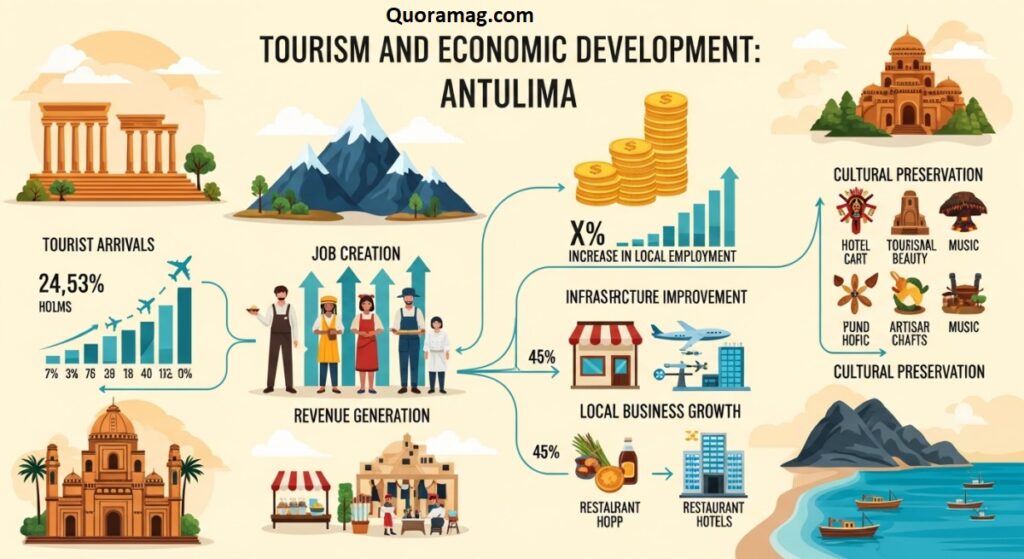
Antulima can also have an economic impact, particularly in the context of ecotourism. As more people seek to connect with nature and experience cultural traditions, areas like Antulima have become popular destinations for sustainable travel. Tourists are drawn to the region’s natural beauty, wildlife, and cultural heritage, providing a source of income for local communities.
When managed responsibly, ecotourism can be a powerful tool for economic development. The revenue generated from tourism can help fund conservation projects, improve local infrastructure, and create jobs in the community
However, it is important to note that tourism must be carefully managed to avoid negative impacts on the environment and local culture. Sustainable tourism practices are crucial to ensuring that Antulima’s ecological and cultural integrity remains intact for future generations.
7. Conclusion
Antulima’s importance is multifaceted, spanning environmental, cultural, scientific, and economic dimensions. From its role in biodiversity conservation to its impact on local traditions, education, and sustainability efforts, Antulima represents a vital intersection of human and environmental concerns. Protecting and promoting the value of Antulima can have far-reaching effects, benefiting not only the local community but also contributing to global efforts in climate change mitigation, cultural preservation, and sustainable development.
As we continue to face challenges related to environmental degradation, cultural loss, and social inequality, places like Antulima remind us of the interconnectedness of all aspects of life. By recognizing and nurturing its importance, we can help ensure that it remains a valuable resource for generations to come, fostering a more sustainable and harmonious relationship between people and the planet.