
Comprehensive Guide about what is Fasting?
Avoiding food and liquids from sunrise until sunset is knowing as fasting, there are some other kinds of fasting, Such as
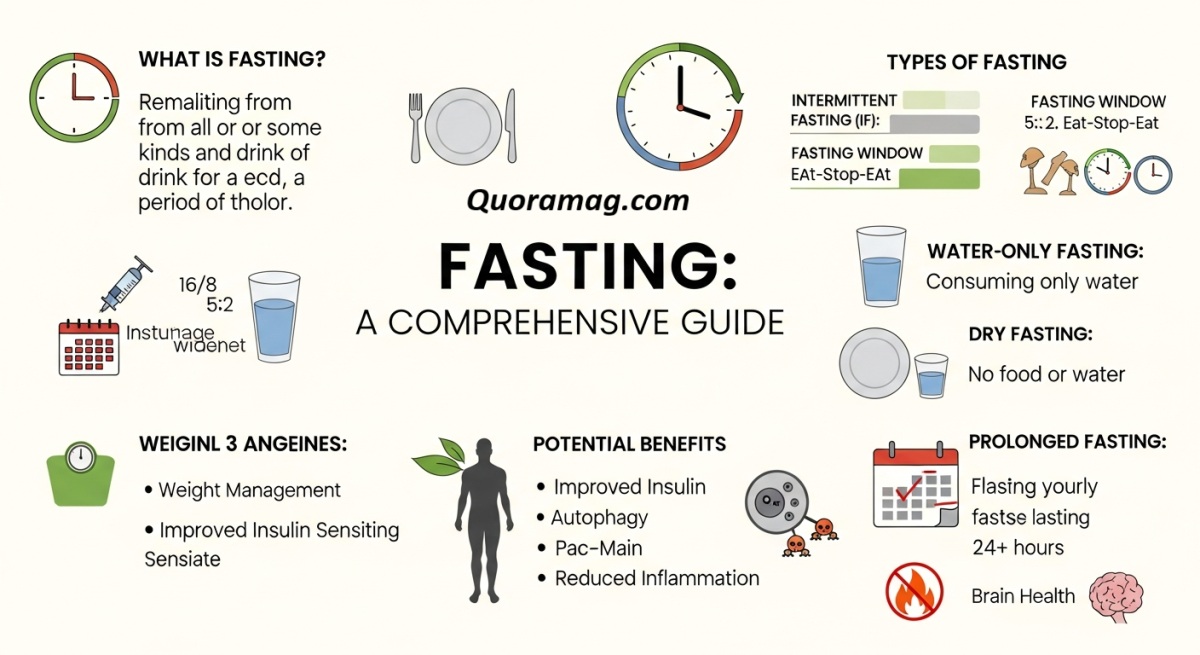
- Wet and dry fasting: During a time, a person refrains from eating and drinking anything.
- Wet Fasting: When someone is wet fasting, they only eat and drink water, black coffee, and tea.
- Partially Fasting: A Person who chooses t fast for a little period time during the is said to be partially fasting
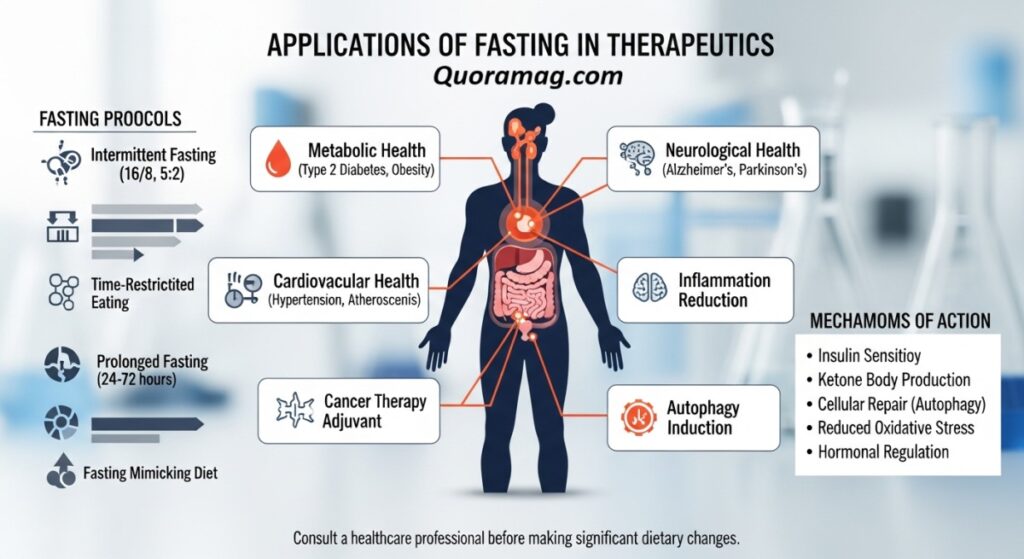
- Intermittent Fasting: alternating between times when you eat and when you fast. The 5:2 diet, which involves eating normally for five days and limiting calories to about 500–600 on two non-consecutive days, and the 16/8 technique, which involves 16 hours of fasting followed by an 8-hour window for eating, are common patterns.
- Extended Fasting: Longer periods of fasting, typically lasting from than 24 Hours and possibly several days, are referred to as extended Fasting.
- Time Restricted Fasting: Eating at a set period of time each day in order to encourage a daily fast is known as time Restricted eating.
Across many cultures and religions, the voluntary cessation of food and liquids for a predetermined amount of time has been a practice for ages. Many of the health benefits of fasting have recently has been validated by scientific study, which has made it a prominent topic in the wellness world.
The many advantages of fasting will be discussed in this article, Including potential therapeutic uses, mental clarity, physical wellness, and metabolic health.
You will Like This What is DevOps
Historical Backgroup:
The religious and spiritual rituals of Islam (Ramadan), Christianity (Lent), Buddhism, and Hinduism are the origins of Abstinence. It has been utilized historically to improve spiritual experiences, aid in healing, and aid in cleansing.

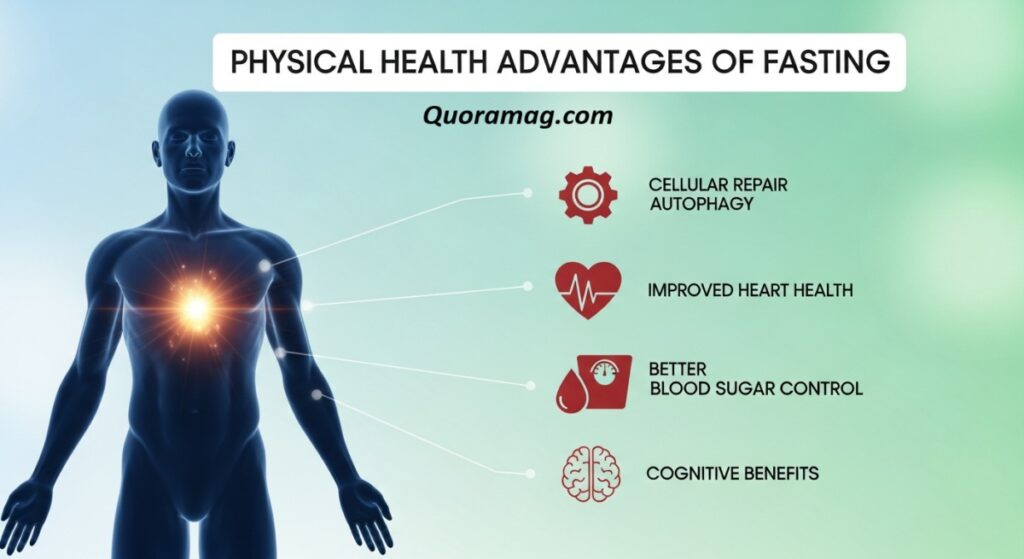
Physical Health Advantages:
Loss of Fat and Weight:
Losing weight is one of the most well-known advantages of Abstinence. Many people lose weight by consuming less calories when their eating window is reduced. While maintaining lean muscular mass, Abstinence can also encourage fat loss.
Mechanism: Insulin levels fall during Abstinence, promoting the breakdown of fat. During Abstinence, elevated norepinephrine (noradrenaline) levels encourage fat burning.
Enhanced Sensitivity to Insulin:
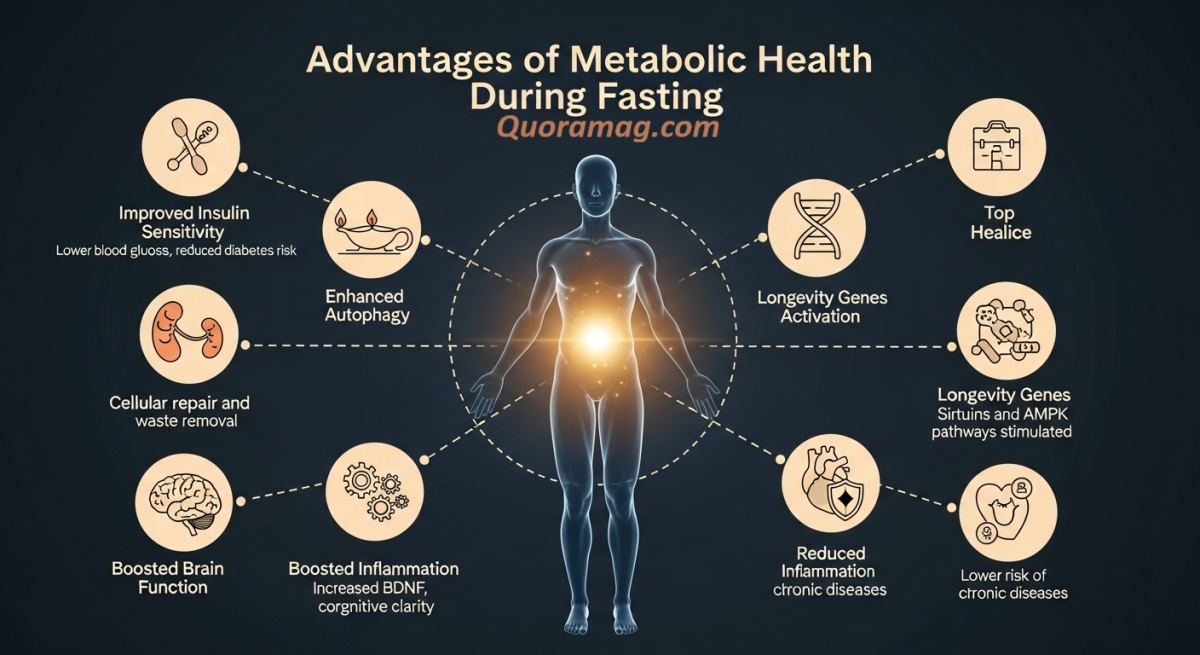
Insulin Sensitivity, which aids in blood sugar regulation, can be markedly increased by Abstinence.
Studies: intermittent Abstinence is advantageous for people at risk for type 2 diabetes since has been shown to lower insulin levels and enhance blood sugar regulation.
Repair of cells and Autophagy:
Autophagy, a cellular repair mechanism that eliminates damaged calls and produces new ones, is triggered by Abstinence
Autophagy’s advantages include increased longevity and a lower chance of developing diseases like cancer and neurological conditions.
Heart Health:
Abstinence may benefit heart health in a number of ways:
Cholesterol Levels: By lowering triglyceride and LDL cholesterol (the “bad” cholesterol), Abstinence can lessen the risk of heart disease.
Blood Pressure: According to certain research, intermittent fasting may lower blood pressure, which would benefit cardiovascular health in general.
Decreased Inflammation:
Numerous illnesses, such as cancer, diabetes, and heart disease, are associated with chronic inflammation. It has been demonstrated that fasting lowers the body’s inflammatory indicators.
Mechanism: Fasting can aid in the fight against chronic inflammation by reducing oxidative stress and fostering anti-inflammatory pathways.
Advantages for the Mind and Brain:
Improved Brain Activity:
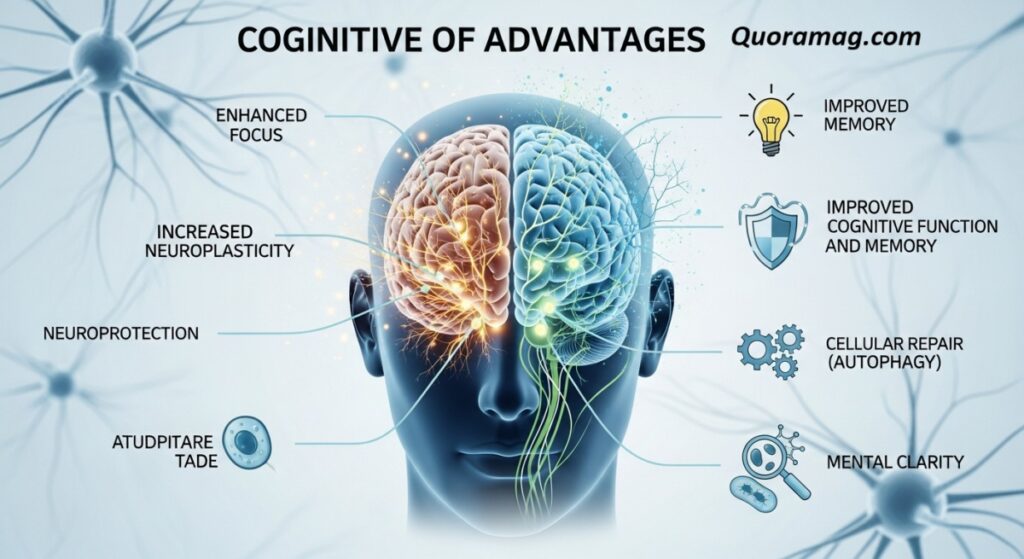
Improved cognitive function and brain health have been associated with fasting.
Neurotrophic Elements: Brain derived neurotrophic factor, which promotes thecreation of new neurons and helps maintain the survival of existing ones, is produced in greater amounts during Abstinence.
Enhanced Mental Acuity:
During times of fasting, many people report having more attention and mental clarity.
This might be the result of multiple factors:
Keto adaptation: When the body goes into ketosis while Abstinence, ketones act as a brain friendly energy source, improving cognitive performance.
Decreased Brain Fog: Fasting can maintain energy levels and increase concentration by removing sugar crashes and spikes.
Possible Defense Against Neurodegenerative Conditions:
Fasting may help prevent diseases like Parkinson’s and Alzheimer’s, according to research.
Mechanism: Fasting may aid in the removal of harmful proteins linked to neurodegenerative disorders by encouraging autophagy and lowering oxidative stress.
Advantages of Metabolic Health:
Control of Hormones
A number of hormones that are essential to metabolism are impacted by Abstinence:
Insulin: Insulin levels are lowered during Abstinence, which encourages weight reduction and fat breakdown.
Growth Hormone: Fasting can raise levels of growth hormone, which promotes muscle preservation and fat burning.
A better lipid profile:
Lipid levels may be positively impacted by Abstinence, which would improve metabolic health overall.
Triglycerides and Cholesterol: Studies show that Abstinence can enhance cholesterol profiles and lower triglyceride levels, which lowers the risk of cardiovascular disease.
Applications in Therapeutics:
Possible Therapy for Cancer:
According to new research, Abstinence may improve the efficacy of cancer treatments and could even prevent the disease altogether.
Mechanism: By shielding healthy cells and making cancer cells more sensitive to chemotherapy, Abstinence may lessen side effects and enhance treatment results.
Controlling Type 2 Diabetes:
As a type 2 diabetes care strategy, Abstinence has promise in lowering blood sugar levels and enhancing insulin sensitivity.Research: Studies have demonstrated that glycemic control can be significantly improved by intermittent fasting.
Assistance for Metabolic Conditions:
The potential advantages of Abstinence in the treatment of obesity, metabolic syndrome, and related conditions have been investigated.
Mechanism: Abstinence may help lessen the symptoms of metabolic syndrome by encouraging weight loss and enhancing insulin sensitivity.
Advantages for Emotion and Psychology:
Enhanced Emotional Resilience and Mood During times when they fast, some people report feeling happier and more emotionally stable.
Hormonal Effects: Abstinence can boost serotonin and endorphin production, which enhances mood and emotional fortitude.
Awareness and Mindfulness
People who fast frequently have a healthier relationship with food by becoming more conscious of their eating patterns.
Mindful Eating: A lot of people discover that Abstinence helps them become more conscious of their hunger signals and the feelings that come with eating.
Conclusion
Fasting is an effective technique that has many advantages for mental clarity, emotional stability, physical health, and spiritual development. Both historical customs and contemporary scientific studies support the benefits of Abstinence, which range from encouraging weight loss and improving metabolic health to boosting brain function and cultivating mindfulness.
Abstinence may not be appropriate for everyone, but for those who can safely adopt it, it may be a life-changing activity. As with any dietary strategy, it’s critical to pay attention to your body, keep yourself informed, and seek medical advice as needed.
Adopting a Abstinence lifestyle can result in significant improvements in health and wellbeing, providing a route to not only physical change but also personal development and increased self-awareness. The potential benefits of Abstinence are significant, regardless of whether you are motivated by its spiritual importance, health benefits, or just a desire for a better relationship with food.